In the fast-paced world of web development, understanding HTTP status codes is vital for Symfony developers, especially the 408 Request Timeout. This article will explore the intricacies of this status code and its implications for Symfony applications.
What is a 408 Request Timeout?
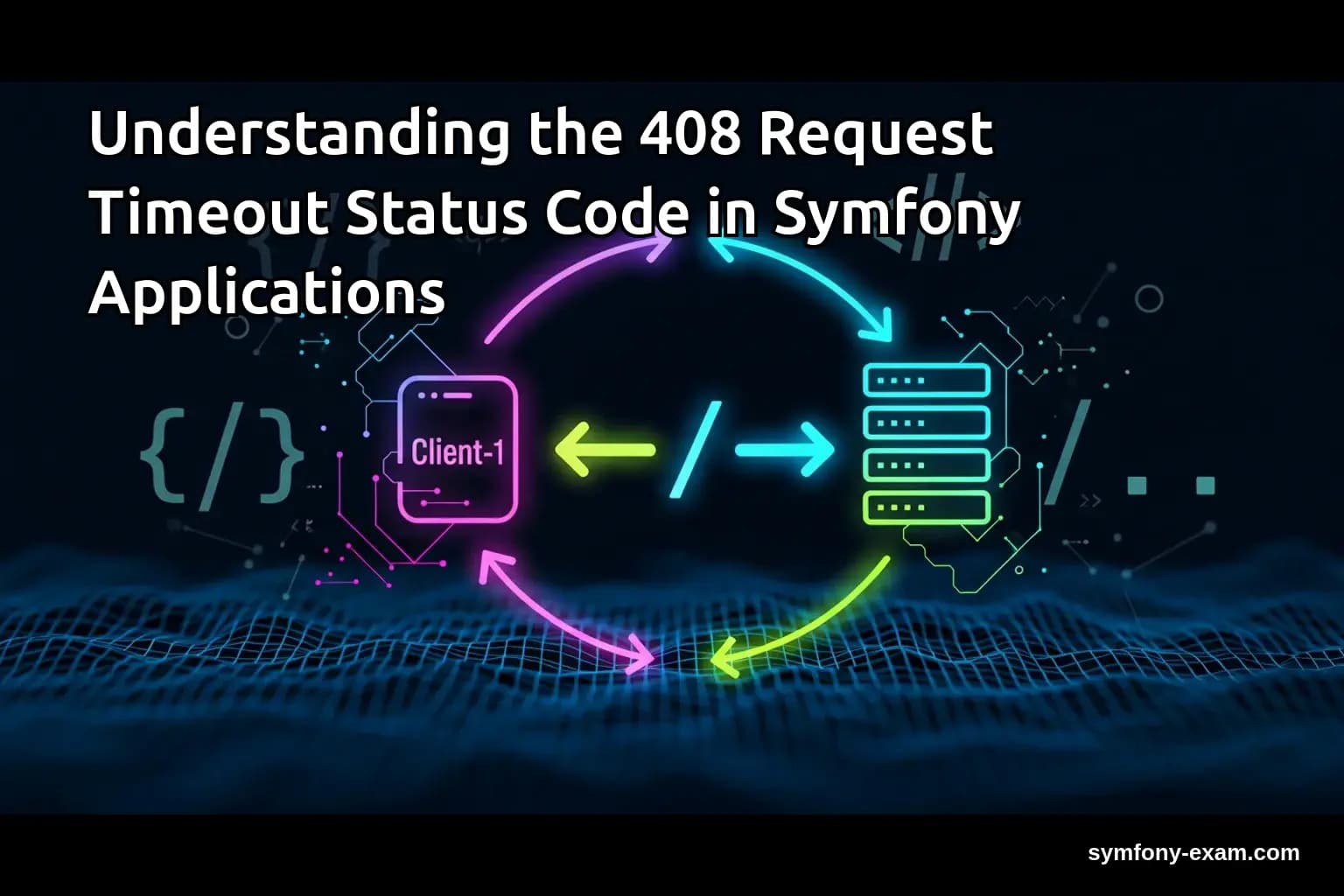
The 408 Request Timeout status code indicates that the server, while waiting for the client to complete the request, has determined that the client took too long to send the request. In essence, the server has closed the connection due to inactivity.
Typically, this timeout occurs in situations where the client is slow to send the necessary data, leading to the server giving up on waiting. For Symfony developers, understanding this status code is crucial, as it can impact user experience and application performance.
Why the 408 Status Code Matters for Symfony Developers
Symfony applications often deal with complex data interactions, and the 408 Request Timeout can manifest in various scenarios:
-
Complex Service Logic: When services involve multiple database calls or external API requests, long processing times can trigger a timeout.
-
Heavy Twig Templates: If a Twig template is overly complex and takes too long to render, this could lead to a delayed response.
-
Doctrine DQL Queries: Inefficient database queries can cause delays in response times, potentially leading to a timeout.
Handling the 408 Request Timeout Effectively
To manage 408 errors in Symfony effectively, consider the following strategies:
-
Optimize Service Logic: Break down complex services into smaller, manageable components. This not only enhances performance but also makes debugging easier.
-
Simplify Twig Templates: Aim for simplicity in your templates to improve rendering speed. Use partials effectively and avoid excessive loops and conditions.
-
Optimize Doctrine Queries: Always analyze and optimize your DQL queries. Utilize the Doctrine QueryBuilder to create efficient, scalable queries.
Practical Symfony Example
Consider a scenario where a Symfony service fetches data from multiple sources. If one of these sources is slow to respond, it may lead to a timeout. Here’s an example:
<?php
// Service that fetches user data
public function fetchUserData($userId) {
    $user = $this->userRepository->find($userId);
    // Simulating a slow external API call
    $externalData = $this->externalApi->getUserData($userId); // This could be slow
    return array_merge($user->toArray(), $externalData);
}
?>
In this code, if the external API takes too long to respond, the entire request could time out. To mitigate this, consider implementing a timeout mechanism or async processing.
Common Causes of 408 Errors in Symfony
Understanding the common reasons behind 408 errors can help you proactively address them:
-
Network Latency: Slow connections can significantly affect request time.
-
Server Load: High server load can result in slower response times.
-
Large Payloads: Sending large amounts of data can delay requests, especially if the client is slow to send it.
Best Practices to Avoid 408 Timeouts
Here are some best practices to minimize the risk of 408 timeouts:
-
Implement Request Timeouts: Set appropriate timeout values in your Symfony application’s configuration to avoid prolonged waiting periods.
-
Use Asynchronous Processing: For tasks that may take longer, consider using Symfony Messenger or other asynchronous solutions.
-
Monitor Performance: Use tools like Blackfire or Symfony profiler to identify bottlenecks and optimize performance.
Conclusion: Mastering 408 Request Timeout for Symfony Certification
Understanding the 408 Request Timeout status code is essential for Symfony developers. A solid grasp of HTTP status codes, especially in the context of Symfony, demonstrates a deeper understanding of web application performance and user experience.
By optimizing your Symfony applications and adhering to best practices, you can ensure better performance and reduce the likelihood of timeouts. This knowledge not only aids in passing the Symfony certification but also enhances your overall development skills.
Further Reading
To deepen your understanding, check out these related topics: