Understanding whether a method in PHP 5.6 can be declared with the same name as its parent class method is crucial for Symfony developers, especially those preparing for certification exams. This article delves into the nuances of method declaration in PHP, inheritance, and how this knowledge can be applied in Symfony applications.
The Basics of Method Declaration in PHP
In PHP, methods can be defined within classes, and when a class extends another, it inherits the properties and methods of the parent class. This fundamental concept underpins many design patterns and structures in modern PHP applications, particularly when developing with frameworks like Symfony.
What is Method Overriding?
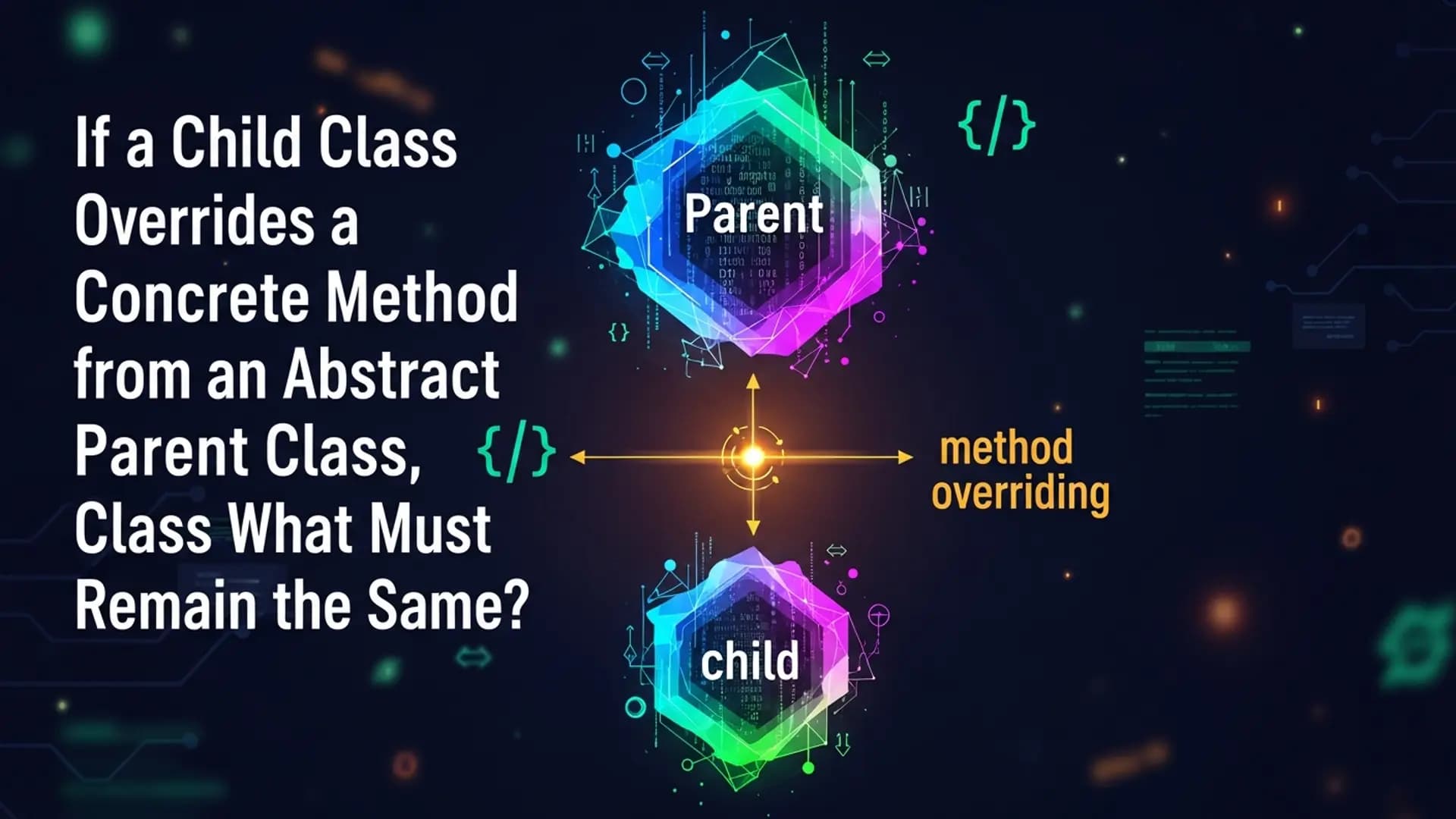
Method overriding occurs when a child class defines a method with the same name as a method in its parent class. This allows the child class to provide a specific implementation of that method, effectively "overriding" the parent class's version.
Key Points:
- Overriding is allowed in PHP.
- The child method can have the same name as the parent method.
- The child class method can change the behavior of the parent method.
Method Visibility and Overriding
When overriding methods, visibility (public, protected, or private) plays a critical role. In PHP, a child class method can only override a parent class method if it has the same or broader visibility.
Example:
<?php
class ParentClass {
    public function display() {
        echo "Parent Class Display";
    }
}

class ChildClass extends ParentClass {
    public function display() {
        echo "Child Class Display";
    }
}

$child = new ChildClass();
$child->display(); // Outputs: Child Class Display
?>
In this example, the display method in ChildClass overrides the one in ParentClass.
Can a Method Have the Same Name as Its Parent Class Method in PHP 5.6?
Yes, a method in PHP 5.6 can be declared with the same name as its parent class method. This is a fundamental feature of object-oriented programming in PHP. However, it's essential to understand the implications of this practice.
Considerations for Method Overriding
-
Behavior Change: Overriding a method can lead to changes in behavior that may not be immediately apparent. Developers must ensure that the overridden method fulfills the required contract expected by the parent class.
-
Use of
parent::: To call the parent class's version of an overridden method, you can use theparent::keyword within the child class method. -
Method Signature: The method signature (parameters and return type) must match the parent class method if you want to maintain polymorphism.
Practical Example in Symfony
Consider a scenario in Symfony where you have a service that processes orders. You might have a base service class that defines a method for processing orders and a specialized service that overrides this method.
<?php
namespace App\Service;

class OrderService {
    public function processOrder($order) {
        // Basic processing logic
        echo "Processing order in OrderService";
    }
}

class SpecialOrderService extends OrderService {
    public function processOrder($order) {
        // Custom processing logic
        echo "Processing order in SpecialOrderService";
    }
}

$orderService = new SpecialOrderService();
$orderService->processOrder($order); // Outputs: Processing order in SpecialOrderService
?>
In this example, the SpecialOrderService class overrides the processOrder method, providing its custom implementation.
The Role of Symfony in Method Overriding
Symfony applications frequently use inheritance, especially with services and controllers. Understanding method overriding allows Symfony developers to create flexible and maintainable code.
Using Method Overriding in Symfony Services
When creating services in Symfony, you might encounter situations where a base service provides common functionality, but specific services require different behavior. Method overriding is a practical solution.
Example of Customizing Service Behavior:
<?php
namespace App\Service;

class BaseService {
    public function performAction() {
        return "Base Action";
    }
}

class CustomService extends BaseService {
    public function performAction() {
        return "Custom Action";
    }
}

$service = new CustomService();
echo $service->performAction(); // Outputs: Custom Action
?>
Implications for Dependency Injection
Symfony heavily relies on dependency injection, and method overriding can affect how services are configured. When a service is overridden, it can lead to unexpected behaviors if not designed carefully.
Best Practices for Method Overriding in Symfony
-
Document Behavior: Always document overridden methods clearly. Indicate how they differ from the parent class's implementation.
-
Use Type Hinting: Type hint parameters and return types to ensure consistency, which aids in understanding how methods interact.
-
Test Extensively: Given the potential for unintended behavior due to overriding, thorough testing is critical.
-
Favor Composition Over Inheritance: Where possible, consider using composition instead of inheritance to reduce complexity.
Conclusion: Importance for Symfony Certification
Understanding whether a method in PHP 5.6 can be declared with the same name as its parent class method is vital for developers, especially those preparing for the Symfony certification exam. Mastering this concept not only helps in writing more robust code but also demonstrates a deeper comprehension of PHP's object-oriented features.
By grasping method overriding and its implications, Symfony developers can create more flexible, maintainable, and testable applications. As you prepare for your certification, consider how these principles apply to your work and the best practices that will help you excel as a Symfony developer.