Understanding whether Symfony supports versioned releases is essential for developers, especially those preparing for the Symfony certification exam. Versioning in Symfony not only affects the development process but also the long-term maintenance of applications. This article will delve into Symfony's versioning strategy, exploring its significance, the different release types, and practical implications for developers.
Why Versioning Matters in Symfony
Versioning plays a crucial role in the stability, security, and functionality of applications built with Symfony. As a developer, understanding Symfony's release strategy is vital for several reasons:
- Stability: Knowing which version of Symfony to use helps maintain stability in production environments.
- Security: Regular updates and security patches are critical for protecting applications from vulnerabilities.
- Compatibility: Understanding version compatibility ensures that third-party bundles and libraries work seamlessly with your Symfony version.
Symfony's Versioning Strategy
Symfony follows a clear versioning strategy that consists of several key components:
Semantic Versioning
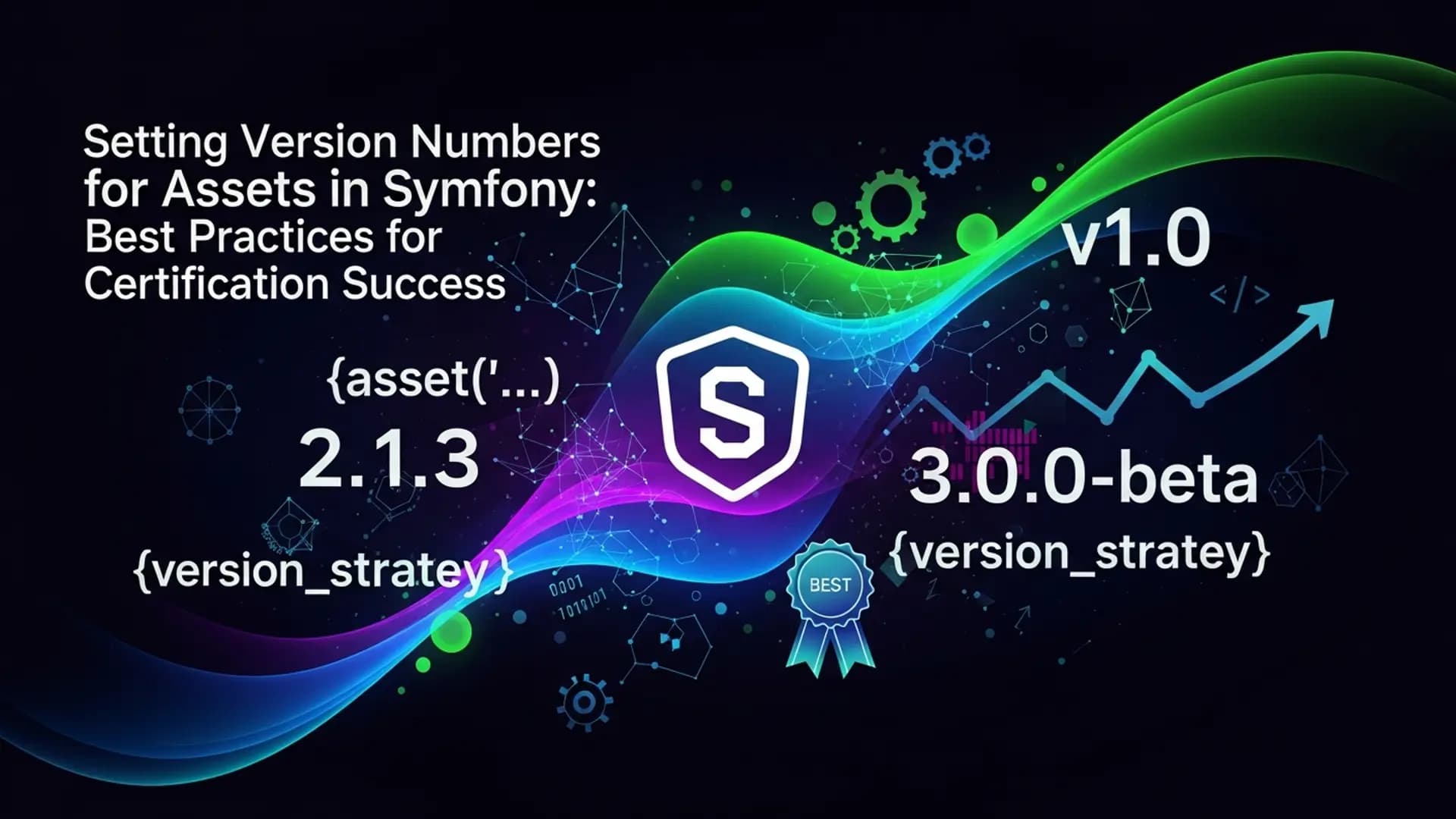
Symfony adheres to Semantic Versioning, which uses a three-part version number: MAJOR.MINOR.PATCH. Here’s what each part signifies:
- MAJOR: Incremented for incompatible changes.
- MINOR: Incremented for backward-compatible functionality.
- PATCH: Incremented for backward-compatible bug fixes.
This structure ensures developers can predict the impact of upgrading to a new version.
Long-Term Support (LTS)
Symfony designates certain releases as Long-Term Support (LTS) versions. These versions receive bug fixes and security updates for an extended period, typically three years for bug fixes and four years for security updates. LTS versions are ideal for enterprise applications that require stability over the latest features.
Importance of LTS
- Reduced Upgrade Frequency: Developers can focus on their application logic rather than frequent upgrades.
- Security Assurance: LTS versions receive timely security updates, minimizing vulnerabilities.
Release Schedule
Symfony follows a predictable release schedule, with new minor versions released every six months. This schedule ensures that developers can plan for upgrades and enhancements in their applications.
How Symfony's Versioning Affects Development
Understanding Symfony's versioning strategy is essential for various aspects of development:
Managing Dependencies
When creating Symfony applications, you'll often rely on third-party bundles. Knowing the version compatibility helps in selecting the right bundles and avoiding potential conflicts. For example, if your Symfony application is on version 5.4, you will want to ensure that any bundles you integrate are compatible with that version.
Upgrading Symfony
Upgrading Symfony is a crucial task that can impact your application's architecture. Here’s a step-by-step approach for managing upgrades:
-
Read the Upgrade Guides: Symfony provides comprehensive upgrade guides for each version. These guides detail deprecated features and new best practices.
-
Run Tests: Before upgrading, ensure you have a comprehensive suite of tests. This will help you identify any breaking changes immediately.
-
Use Symfony Flex: Symfony Flex is a tool that simplifies managing Symfony applications. It helps in handling dependencies and configurations, making upgrades smoother.
Practical Example: Upgrading a Symfony Application
Let’s consider a scenario where you have a Symfony application running on 4.4 LTS, and you want to upgrade to 5.4 LTS. The process would look like this:
- Check Compatibility: Ensure all your bundles support Symfony 5.4.
- Update
composer.json: Change the Symfony version in yourcomposer.jsonfile:{ "require": { "symfony/symfony": "^5.4" } } - Run Composer Update:
composer update - Check for Deprecations: Use the Symfony deprecation notice feature to identify any deprecated usages in your codebase.
Practical Considerations for Developers
Version Pinning
In a production environment, it’s best to pin your Symfony version in your composer.json. This practice prevents unintended upgrades that might introduce breaking changes. For example:
{
    "require": {
        "symfony/symfony": "5.4.*"
    }
}
Testing Across Versions
If you maintain multiple Symfony applications across different versions, consider using testing tools like PHPUnit to ensure compatibility. Automated tests help catch issues arising from version differences.
Continuous Integration (CI) Pipelines
Integrate version checks in your CI pipelines. Use tools like PHPStan or Symfony’s own tools to ensure that your code adheres to the standards of the Symfony version you’re using.
Conclusion: The Importance of Versioned Releases for Developers
As a Symfony developer preparing for certification, understanding the framework's versioning strategy is crucial. It not only impacts day-to-day development but also the long-term viability of your applications. By leveraging LTS versions, adhering to semantic versioning, and managing dependencies effectively, you can ensure that your Symfony applications remain stable, secure, and up-to-date.
In summary, Symfony does support versioned releases, and this knowledge is essential for any developer working with the framework. Mastering versioning concepts can significantly enhance your certification preparation and ultimately your career as a Symfony developer.