As a Symfony developer aiming for certification, understanding how to detect if an Event was stopped during runtime is crucial for building robust and efficient applications. In this blog post, we will dive deep into this topic, exploring practical examples and best practices to help you prepare effectively.
Exploring Event Stopping in Symfony
In Symfony, events play a significant role in the application lifecycle, allowing developers to hook into various parts of the system and execute custom logic. However, it's essential to know if an event was stopped during runtime to ensure that all necessary actions are completed. Let's delve into how you can achieve this in your Symfony applications.
Understanding Event Stopping Mechanisms
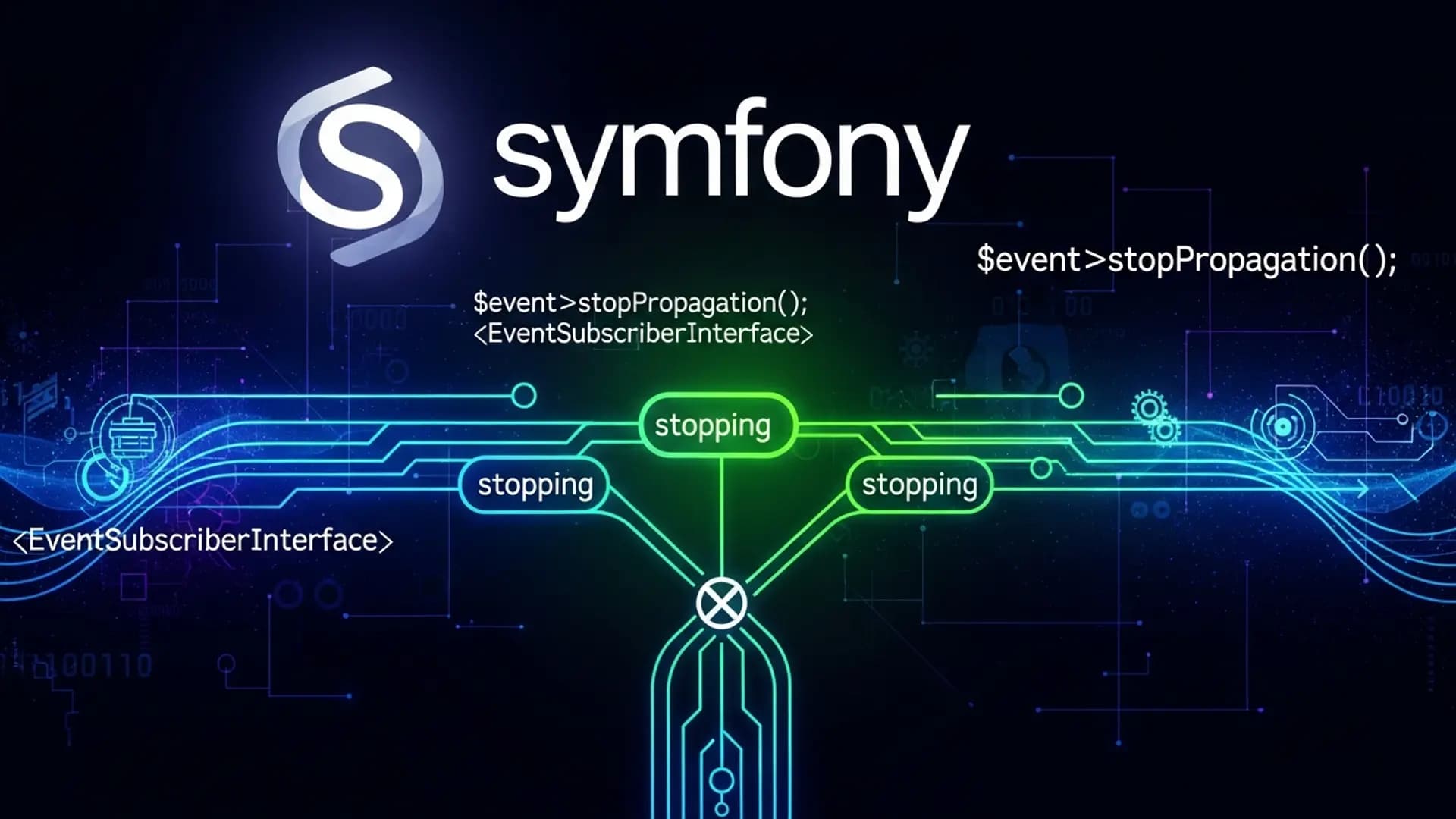
Symfony provides mechanisms to stop the propagation of events, such as calling the $event->stopPropagation() method within an event listener. Detecting if an event was stopped involves checking the event object for a flag indicating that propagation has been halted. Let's explore a practical example to illustrate this concept.
<?php
// Check if event propagation was stopped
if ($event->isPropagationStopped()) {
    // Event was stopped, handle accordingly
    // Perform necessary actions
} else {
    // Event propagation continued
    // Additional logic here
}
?>
Practical Example: Handling Event Stopping in Symfony
Consider a scenario where you have an event listener that processes user authentication. Within this listener, you may need to stop the event propagation under certain conditions, such as invalid credentials. Let's see how you can detect if the event was stopped during runtime:
<?php
public function onUserAuthentication(UserAuthenticationEvent $event)
{
    // Perform authentication logic
    if (!$this->isValidCredentials($event->getUser())) {
        $event->stopPropagation();
    }

    // Check if event propagation was stopped
    if ($event->isPropagationStopped()) {
        // Event was stopped, handle accordingly
        // Log the event stopping
    } else {
        // Event propagation continued
        // Proceed with additional logic
    }
}
?>
Best Practices for Detecting Event Stopping
To effectively detect if an Event was stopped during runtime in Symfony, consider the following best practices:
Best Practice 1: Always check if event propagation is stopped after critical operations within event listeners.
Best Practice 2: Handle stopped events gracefully by logging or notifying relevant components.
Best Practice 3: Test event stopping scenarios to ensure proper functionality and error handling.
Practical Applications in Symfony Development
In Symfony applications, detecting if an Event was stopped during runtime can be instrumental in scenarios like managing user authentication, processing form submissions, or handling cache invalidation. By mastering this concept, you can enhance the reliability and efficiency of your Symfony projects.
Conclusion: Enhancing Your Symfony Skills for Certification Success
Having a solid understanding of how to detect if an Event was stopped during runtime in Symfony is a valuable skill for developers pursuing certification. By applying the principles and best practices outlined in this article, you can strengthen your Symfony expertise and prepare effectively for the certification exam.