As a Symfony developer preparing for certification, understanding the activation of ESI in configuration is crucial. This blog post delves into the significance of enabling ESI, with practical examples and insights to enhance your Symfony knowledge.
What is ESI and Why Activate it in Configuration?
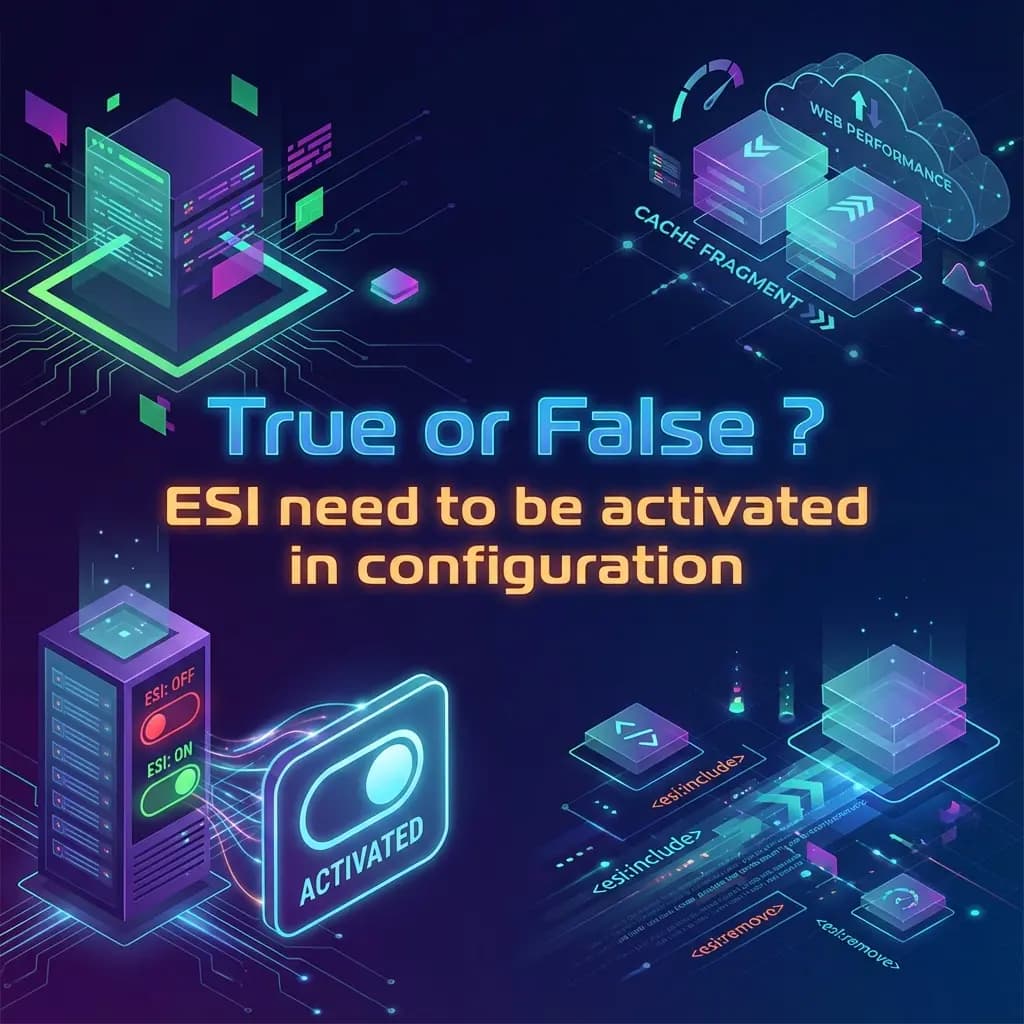
ESI (Edge Side Includes) in Symfony allows for fragment caching, enabling faster page loading times by caching individual parts of a page separately. Activating ESI in configuration enhances performance by leveraging this caching mechanism.
By enabling ESI, you can cache dynamic content separately, reducing server load and improving overall user experience.
Practical Examples of ESI Activation
Consider a scenario where you have a Symfony application with complex conditions in services. By activating ESI in configuration, you can cache these services separately, optimizing performance.
<?php
// Example of enabling ESI in Symfony configuration
framework:
    esi: { enabled: true }
?>
In this example, activating ESI globally in the Symfony configuration ensures that ESI tags are processed in templates, allowing for efficient fragment caching.
Leveraging ESI in Twig Templates
When building Twig templates in Symfony, activating ESI in configuration enables you to utilize ESI tags to include cached fragments within your templates. This approach enhances performance by serving cached content where applicable.
By incorporating ESI tags strategically in Twig templates, you can achieve dynamic content caching and optimize the rendering process.
Enhancing Doctrine Queries with ESI
In Symfony applications utilizing Doctrine for database interactions, activating ESI in configuration can be beneficial when building DQL queries. By caching specific query results using ESI, you can improve database query performance.
ESI activation in Symfony configuration allows for efficient caching of query results, reducing the need to execute repetitive database queries.
Best Practices for ESI Configuration
To maximize the benefits of ESI in Symfony, follow these best practices:
Best Practice 1: Enable ESI selectively based on the specific caching requirements of your application.
Best Practice 2: Utilize ESI tags thoughtfully in templates to cache dynamic content efficiently.
Best Practice 3: Monitor the performance impact of ESI caching to fine-tune your configuration for optimal results.
Conclusion: ESI Activation for Symfony Certification Success
Enabling ESI in Symfony configuration is essential for optimizing performance and leveraging fragment caching effectively. By understanding the importance of ESI activation and applying best practices, you can enhance your Symfony development skills and excel in the certification exam.