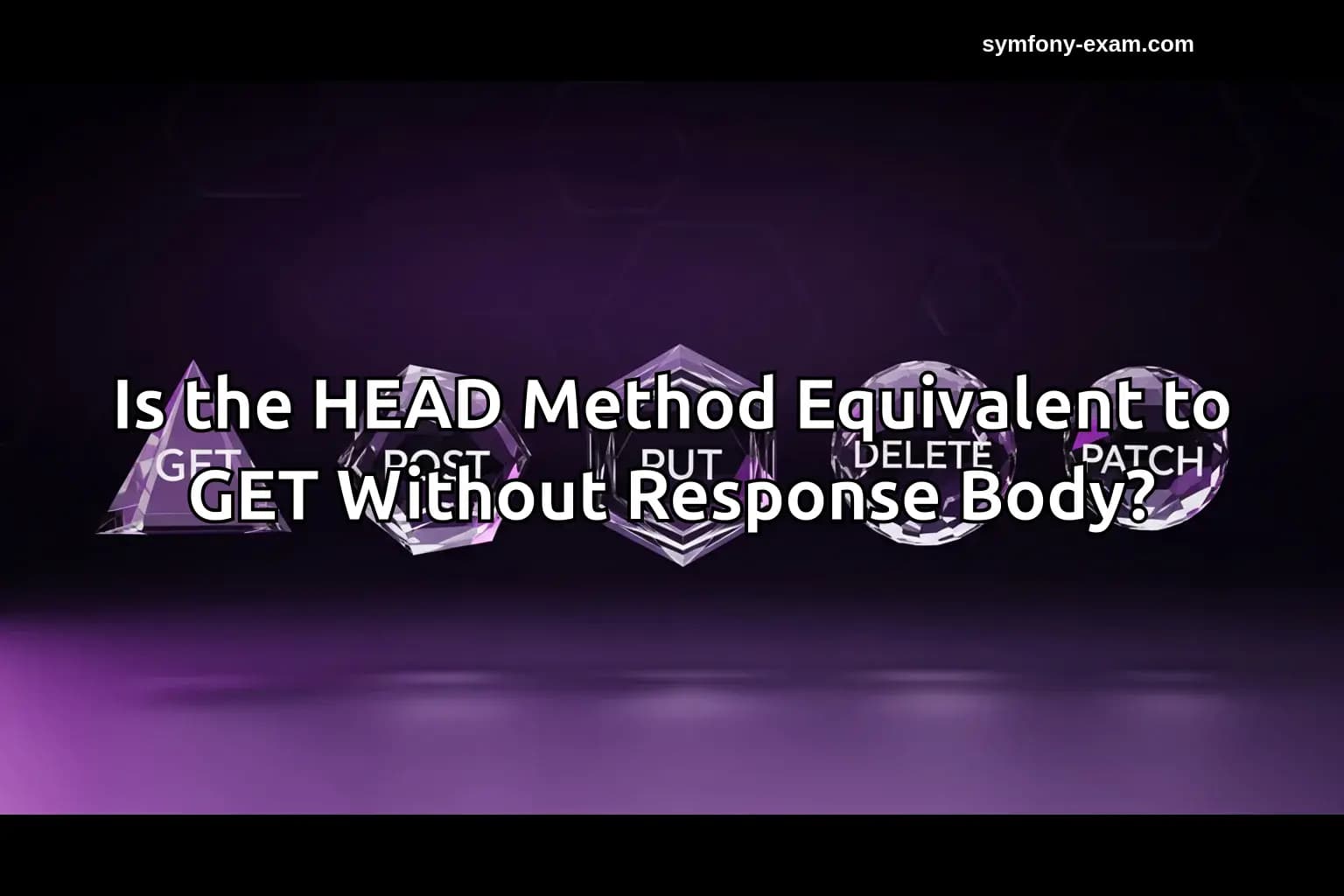
Understanding which HTTP method is suitable for testing server functionality is essential for Symfony developers aiming for certification. This knowledge enhances your ability to build robust applications.
Introduction to HTTP Methods
HTTP methods are a fundamental part of web development, defining the type of operation to be performed on a resource. In the Symfony framework, understanding how to leverage these methods is crucial for testing server functionality effectively.
For Symfony developers, choosing the right HTTP method can streamline testing processes, improve application reliability, and enhance overall performance.
Overview of Common HTTP Methods
Here’s a brief overview of the most common HTTP methods you might encounter:
GET: Used to retrieve data from the server. It is idempotent, meaning multiple identical requests will have the same effect.
POST: Used to send data to the server, often resulting in a change in state or side effects on the server.
PUT: Similar to POST, but used to update existing resources.
DELETE: Used to remove resources from the server.
HEAD: Similar to GET but retrieves only headers, not the body, which can be useful for testing.
Choosing the Right HTTP Method for Testing
When it comes to testing server functionality, the choice of HTTP method largely depends on the specific scenario. Here are scenarios with suitable methods:
GET: Ideal for testing if endpoints return the expected data without modifying server state. For example, verifying that an API returns the correct user data:
// Test a GET request in Symfony
public function testGetUserData()
{
    $client = static::createClient();
    $client->request('GET', '/api/user/1');
    $this->assertResponseIsSuccessful();
    $this->assertJsonContains(['username' => 'john_doe']);
}
POST: Use this method when you need to simulate user actions like form submissions. For instance, testing user registration might involve:
// Test a POST request in Symfony
public function testPostUserRegistration()
{
    $client = static::createClient();
    $client->request('POST', '/api/register', [
        'username' => 'new_user',
        'password' => 'securepassword',
    ]);
    $this->assertResponseStatusCodeSame(201);
}
PUT: Appropriate for testing update operations. For example, updating user information:
// Test a PUT request in Symfony
public function testPutUserUpdate()
{
    $client = static::createClient();
    $client->request('PUT', '/api/user/1', [
        'username' => 'updated_user',
    ]);
    $this->assertResponseStatusCodeSame(200);
}
DELETE: Use this method to test resource deletion. For example, testing user account deletion:
// Test a DELETE request in Symfony
public function testDeleteUser()
{
    $client = static::createClient();
    $client->request('DELETE', '/api/user/1');
    $this->assertResponseStatusCodeSame(204);
}
Practical Examples in Symfony Applications
In Symfony applications, you often face complex conditions in services, logic within Twig templates, or crafting intricate Doctrine DQL queries. Each of these scenarios can benefit from specific HTTP methods:
Complex Conditions in Services: When testing services that perform logical checks, using GET requests can help verify the expected outcomes:
// Example of service logic test
public function testServiceLogic()
{
    $client = static::createClient();
    $client->request('GET', '/api/checkLogic?param=value');
    $this->assertJsonContains(['result' => 'expected_value']);
}
Logic within Twig Templates: When testing rendered templates, GET requests can verify the output based on specific conditions:
// Example of template logic test
public function testTemplateRendering()
{
    $client = static::createClient();
    $client->request('GET', '/some/path');
    $this->assertSelectorTextContains('h1', 'Expected Header');
}
Building Doctrine DQL Queries: Testing the output of complex DQL queries can also utilize GET requests to fetch data:
// Example of DQL query test
public function testDQLQuery()
{
    $client = static::createClient();
    $client->request('GET', '/api/users?role=admin');
    $this->assertJsonCount(2, $response->getContent());
}
Best Practices for Testing with HTTP Methods
When testing server functionality, following best practices can significantly enhance your testing strategy:
Use the Correct Method: Always choose the most appropriate HTTP method for the operation you are testing. This ensures clarity and proper communication with the API.
Verify Response Codes: Check the response status codes to validate the outcomes of your requests. For example, a successful GET should return a 200 status.
Test Edge Cases: Ensure to test edge cases, such as incorrect data formats or missing parameters, to verify that your application handles errors gracefully.
By adhering to these practices, you ensure that your Symfony applications are robust, reliable, and ready for production.
Conclusion: The Impact of Choosing the Right HTTP Method on Symfony Certification
In summary, understanding which HTTP method is suitable for testing server functionality is critical for Symfony developers. This knowledge not only aids in effective testing but also showcases your expertise during the Symfony certification exam.
By mastering the nuances of HTTP methods, Symfony developers can write cleaner, more efficient code, ultimately leading to more successful applications.
For further reading on related topics, check out our posts on PHP Type System, Advanced Twig Templating, Doctrine QueryBuilder Guide, and Symfony Security Best Practices.
For more information on HTTP standards, refer to the official W3C HTTP/1.1 specification.