Understanding HTTP status codes is crucial for Symfony developers, especially when preparing for the Symfony certification exam. This article focuses on valid 3xx status codes and their practical implications in Symfony applications.
What Are 3xx Status Codes?
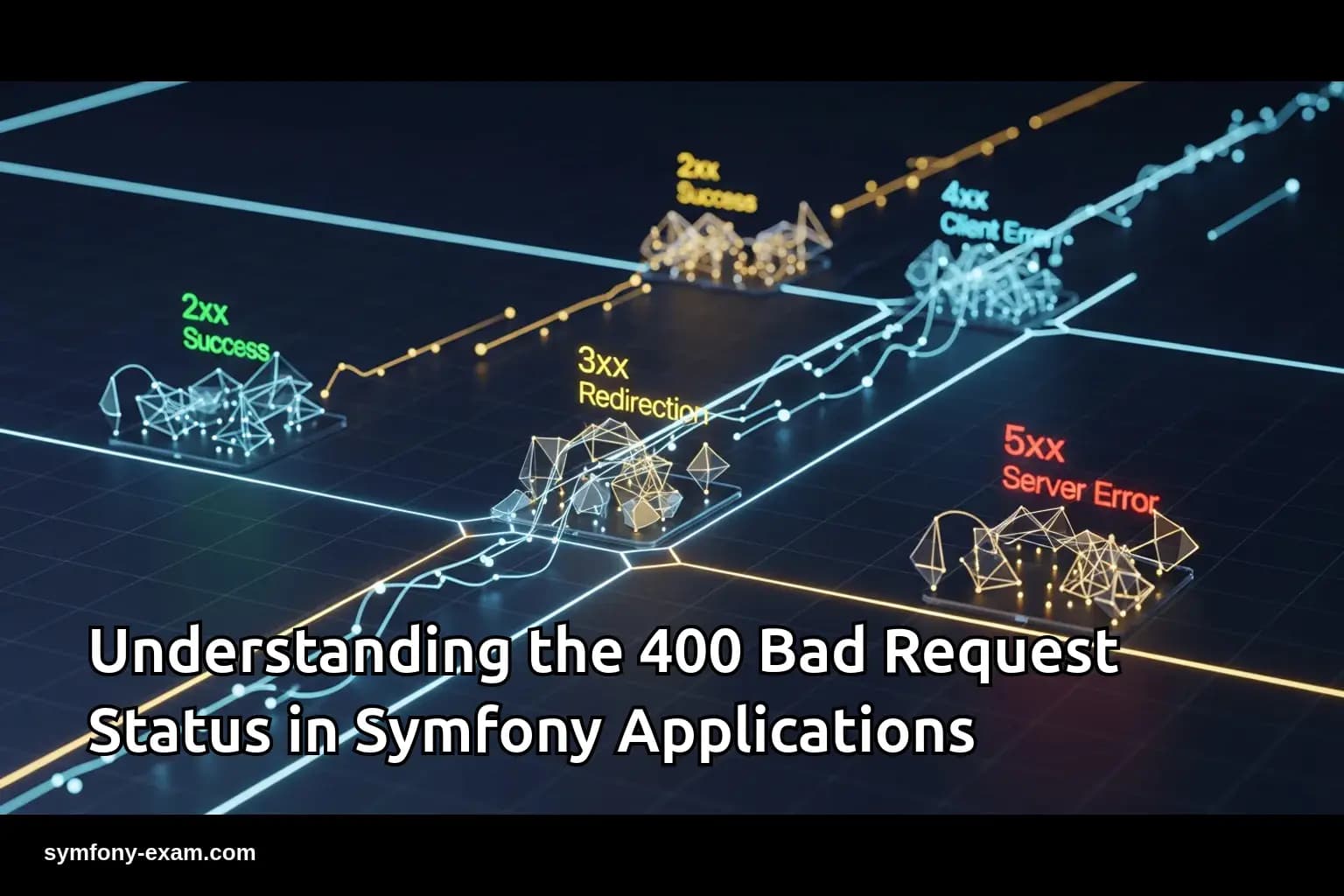
3xx status codes are part of the HTTP response status codes indicating that further action is needed to fulfill a request. This action typically involves redirection. For Symfony developers, knowing these codes is essential for building applications that effectively manage user navigation and resource access.
Commonly used 3xx codes include:
— 301 Moved Permanently: Indicates that a resource has been permanently moved to a new URL.
— 302 Found: Indicates that a resource has temporarily moved to a different URL.
— 303 See Other: Indicates that the user should perform a GET request to another URL.
— 307 Temporary Redirect: Indicates that the resource is temporarily available at a different URL, maintaining the request method.
— 308 Permanent Redirect: Similar to 307 but indicates a permanent redirection.
Why Are 3xx Status Codes Important for Symfony Developers?
Understanding valid 3xx status codes is crucial for Symfony developers for several reasons:
— SEO Considerations: Proper use of 3xx codes like 301 can significantly impact SEO by informing search engines about resource changes.
— User Experience: Redirecting users correctly ensures a smoother navigation experience, reducing frustration and improving engagement.
— API Interactions: When building RESTful APIs, understanding how to implement 3xx responses can aid in managing client-side navigation.
Implementing 3xx Status Codes in Symfony
In Symfony, handling 3xx status codes is straightforward thanks to its robust HTTP foundation. Here’s how a developer might implement these codes:
use Symfony\Component\HttpFoundation\Response;

// Redirecting to a new URL
return new Response('', Response::HTTP_MOVED_PERMANENTLY, ['Location' => 'https://new-url.com']);
In this example, a permanent redirect is created using the Response class. This is a common scenario when a resource has moved permanently, and maintaining SEO is essential.
Practical Examples of 3xx Status Codes
Here are some practical scenarios where Symfony developers might encounter 3xx status codes:
Example 1: Redirecting After Form Submission
When a user submits a form, it's a best practice to redirect them to a new page to prevent resubmission. A 302 redirect can be utilized here:
use Symfony\Component\HttpFoundation\RedirectResponse;

// After processing the form
return new RedirectResponse('/thank-you', Response::HTTP_FOUND);
Example 2: Merging Old Routes
When you restructure your routes, a 301 redirect can help maintain existing links:
// In a controller
return new RedirectResponse('/new-route', Response::HTTP_MOVED_PERMANENTLY);
Example 3: Handling API Redirects
In API development, you might want to signal to clients that a resource has moved:
return new Response('', Response::HTTP_SEE_OTHER, ['Location' => 'https://api.new-url.com/resource']);
Common Pitfalls with 3xx Status Codes
While 3xx codes are straightforward, developers may encounter some pitfalls:
— Incorrect Usage: Using a 302 when a 301 is more appropriate can cause SEO issues.
— Client-Side Caching: Be aware of how browsers cache responses. A 301 will often be cached permanently.
— Inconsistent User Experience: Ensure that your redirects provide a seamless experience across your application.
Conclusion: Mastering 3xx Status Codes for Certification
In conclusion, understanding which of the following are valid 3xx status codes is vital for Symfony developers. This knowledge not only aids in passing the Symfony certification exam but also enhances your ability to create robust, user-friendly applications. Mastering these codes will significantly improve your understanding of HTTP and Symfony's capabilities.
For further reading, you might explore related topics such as Symfony Routing Best Practices, PHP HTTP Status Codes Overview, and Advanced Symfony Testing Techniques.
For more information on HTTP status codes, refer to the official PHP Documentation.
By integrating the understanding of 3xx status codes into your Symfony development practices, you prepare yourself for success in both the certification exam and your professional endeavors.