Understanding HTTP status codes is crucial for developers, especially those working within the Symfony framework. This article delves into the quirky status code 418 I'm a teapot, exploring its origins, significance, and practical implications for Symfony applications.
The Origins of 418 I'm a Teapot
The status code 418 I'm a teapot originated from an April Fools' Day joke in 1998 as part of the RFC 2324, which was a humorous protocol for an "HTCPCP" (Hyper Text Coffee Pot Control Protocol). The code indicates that the teapot refuses to brew coffee because it is, in fact, a teapot.
While not a standard HTTP response in the formal sense, it has gained a cult following among developers and is sometimes used in playful contexts.
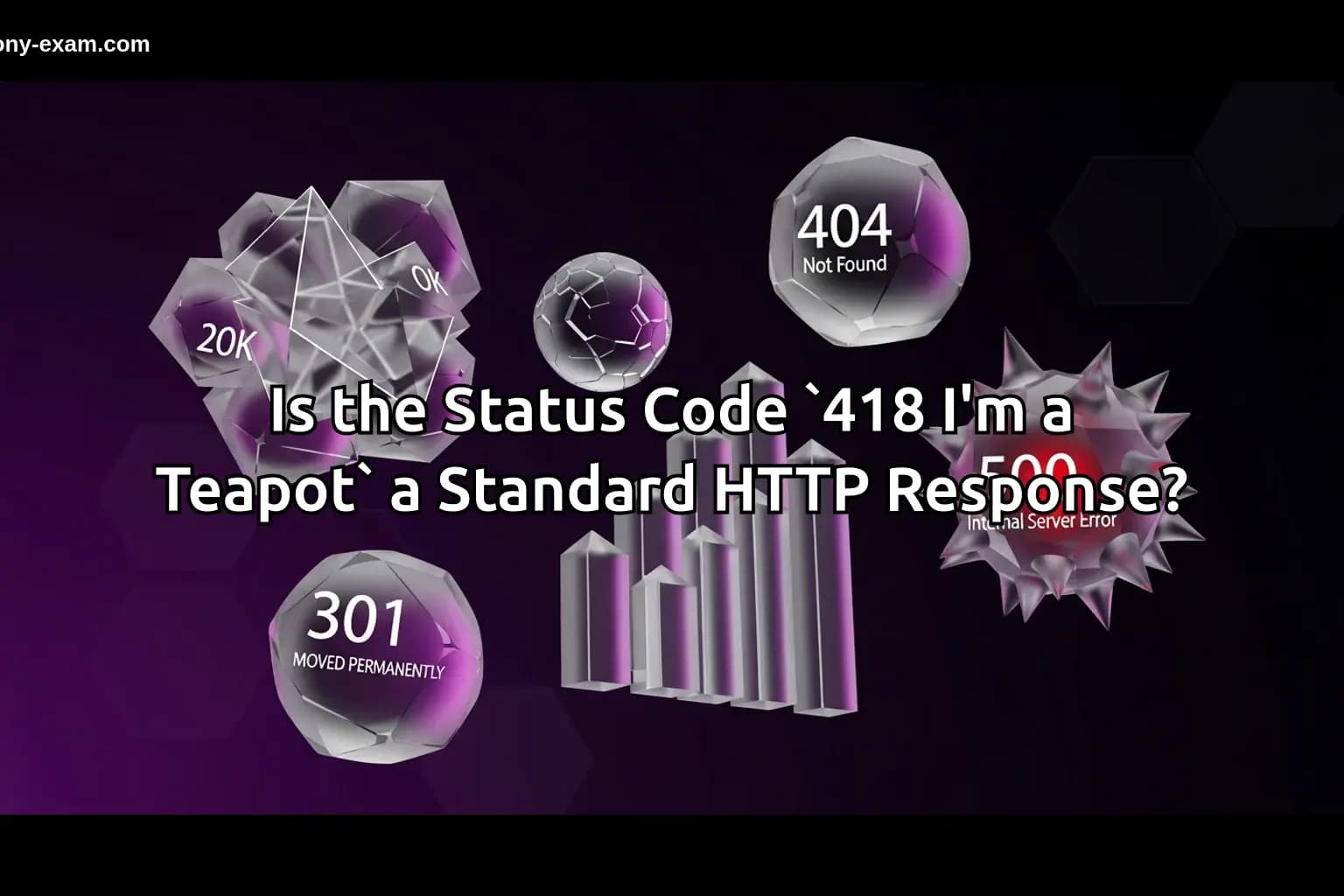
Is 418 I'm a Teapot a Standard HTTP Response?
In the world of HTTP status codes, only a select few are standardized by the IETF, such as 200 OK, 404 Not Found, and 500 Internal Server Error. The 418 I'm a teapot status code, however, is not officially recognized within the HTTP/1.1 specification. Instead, it is classified as an "April Fools' Day" joke.
Despite its unofficial status, it is valid in terms of syntax and can be used in applications, particularly for fun or demonstration purposes. For Symfony developers, understanding this distinction is important, especially when designing APIs or web applications that need to adhere to formal standards.
Practical Implications in Symfony Applications
In Symfony applications, developers often encounter various scenarios where HTTP status codes play a vital role. Here are a few practical examples of when a Symfony developer might consider using the 418 status code:
Imagine a situation where you're creating a playful API endpoint that simulates a coffee shop's order system. You might return a 418 status code for a request that attempts to brew coffee from a teapot, which is a humorous nod to the status code while providing clear feedback to users.
<?php
// Example controller method in Symfony that returns a 418 status code
use Symfony\Component\HttpFoundation\Response;

public function brewCoffee(Request $request): Response
{
    if ($request->get('type') === 'coffee') {
        return new Response("I'm a teapot", 418);
    }
    return new Response("Brewing your drink!", 200);
}
In this example, if a user tries to order coffee from a teapot, they receive a 418 I'm a teapot response. This quirky interaction not only showcases the code but also enhances user engagement.
Using HTTP Status Codes Effectively
When working with HTTP status codes in Symfony, it's essential to use them effectively to convey the correct information. Here are some best practices:
1. Utilize Standard Codes: Stick to standard HTTP status codes whenever possible. Codes like 200, 404, and 500 are universally understood and expected by clients.
2. Create Custom Codes Judiciously: If you choose to implement custom codes like 418, ensure they are well-documented and serve a clear purpose.
3. Consistent Responses: Ensure that your API or web application consistently returns responses that align with the expected HTTP standards, making debugging and integration easier for clients.
The Role of Status Codes in Error Handling
Status codes play a crucial role in error handling within Symfony applications. For instance, when building complex conditions in services, you may need to differentiate between various error states clearly. Using appropriate status codes helps front-end developers respond accordingly.
Here’s an example of an error handling scenario:
<?php
// Example service method handling errors with appropriate status codes
public function processOrder(Order $order): Response
{
    if (!$order->isValid()) {
        return new Response("Invalid order", 400); // Bad Request
    }

    try {
        // Process order logic here
    } catch (Exception $e) {
        return new Response("Internal server error", 500); // Internal Server Error
    }

    return new Response("Order processed successfully", 200); // OK
}
In this example, different HTTP status codes are returned depending on the situation, providing clear feedback to the client regarding the state of their request.
Conclusion: Understanding the Quirk of 418 I'm a Teapot
While 418 I'm a teapot is not a standard HTTP response, its playful nature provides an excellent opportunity for Symfony developers to engage users and demonstrate creativity in their applications. Understanding its context allows developers to make informed decisions about when and how to implement status codes effectively.
As you prepare for the Symfony certification exam, remember that a solid grasp of HTTP standards, including the nuances of various status codes, is essential. This knowledge not only aids in passing the exam but also enhances your ability to write robust, user-friendly applications.
For further reading, consider exploring related topics such as and to deepen your understanding of Symfony and PHP.