In the realm of web development, understanding HTTP status codes is crucial for building robust applications. This is particularly true for Symfony developers preparing for certification, as a deep understanding can enhance both application design and user experience.
Understanding HTTP Status Code 503
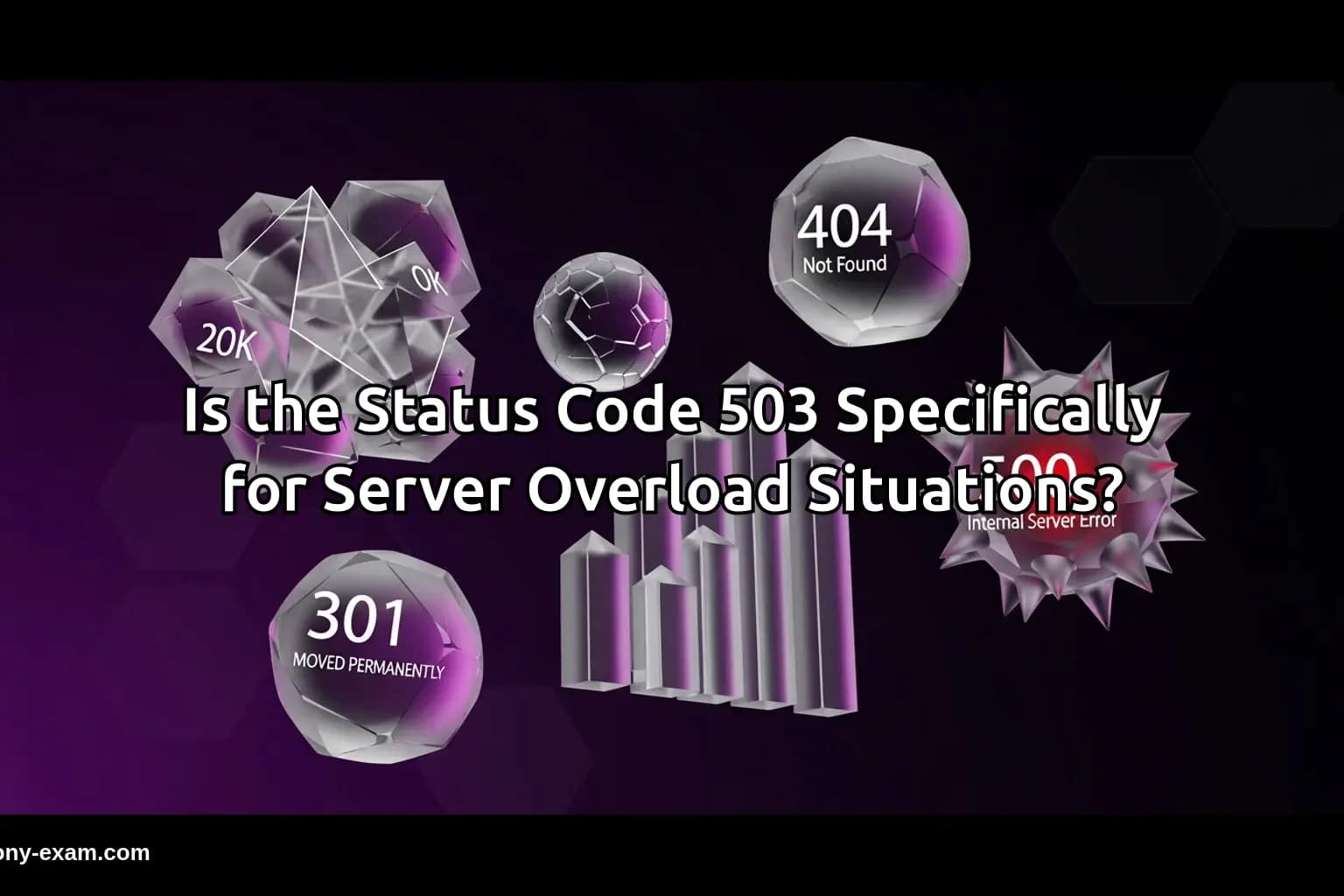
The HTTP status code 503 indicates that the server is currently unable to handle the request due to temporary overloading or maintenance. However, it is essential to recognize that this status code is not exclusively reserved for situations of server overload.
In fact, the 503 status code serves as a generic "service unavailable" response, allowing developers to signal various conditions that might prevent the server from fulfilling the request. This flexibility can be critical in Symfony applications, where different circumstances may arise.
Scenarios That Can Trigger a 503 Status Code
While server overload is a common reason, there are other scenarios where a 503 status code might be appropriate:
1. Scheduled Maintenance: If the server is undergoing maintenance, returning a 503 status code informs clients that the service is temporarily unavailable.
2. Dependency Issues: In Symfony applications, a temporary failure in a third-party service or database could warrant a 503 response.
3. Resource Limitations: If an application exceeds its resource limits (like memory or connection pools), it might return a 503 status code.
Practical Example in Symfony
Consider a Symfony application that interacts with an external API. If that API is down, you can implement a fallback mechanism that returns a 503 status code.
<?php
// src/Controller/ApiController.php

namespace App\Controller;

use Symfony\Component\HttpFoundation\Response;
use Symfony\Component\HttpFoundation\JsonResponse;
use Symfony\Component\Routing\Annotation\Route;

class ApiController
{
    /**
     * @Route("/fetch-data", name="fetch_data")
     */
    public function fetchData()
    {
        // Simulating an external API call
        $response = $this->callExternalApi();

        if ($response === null) {
            return new JsonResponse(['error' => 'Service Unavailable'], Response::HTTP_SERVICE_UNAVAILABLE);
        }

        return new JsonResponse($response);
    }

    private function callExternalApi()
    {
        // Simulate an API failure
        return null; // Simulating downtime
    }
}
In this example, if the external API is unavailable, the Symfony application responds with a 503 status code, indicating that the service is temporarily unavailable.
Handling 503 Responses in Twig
When building user interfaces in Symfony, it is crucial to handle 503 responses gracefully. You can customize your error templates in Twig to display a user-friendly message.
{% extends 'base.html.twig' %}

{% block body %}
    <h1>Service Unavailable</h1>
    <p>We're currently undergoing maintenance. Please check back later.</p>
{% endblock %}
This Twig template provides a simple user interface that informs users about the service's unavailability, enhancing the overall user experience.
Common Pitfalls in Using 503 Status Code
Developers must avoid certain pitfalls when using the 503 status code:
1. Misuse of the Status Code: Avoid using 503 for permanent issues; for such cases, a 404 or 410 status code would be more appropriate.
2. Lack of Retry-After Header: When returning a 503 status code, consider including a Retry-After header to inform clients when they can try again.
3. Failing to Log Events: Implement logging for 503 responses to monitor server health and identify recurring issues.
Best Practices for Symfony Applications
To effectively handle 503 status codes in Symfony applications, consider the following best practices:
Implementing a global error handler can centralize your response strategies.
Use Symfony's event listeners to listen for exceptions and return the appropriate status codes.
Ensure your application can handle load balancing effectively to mitigate overload situations.
Conclusion: The Broader Implications of Status Code 503
In conclusion, while the HTTP status code 503 is often associated with server overload situations, it is not limited to this context. Understanding its broader implications is crucial for Symfony developers, especially in scenarios involving maintenance, dependency failures, or resource limitations.
By mastering the use of the 503 status code, developers can significantly enhance the resilience and user experience of their applications, ultimately aiding in their preparation for the Symfony certification exam.