Understanding HTTP status codes, especially those indicating server errors, is vital for Symfony developers. This knowledge is not only crucial for debugging but also enhances the overall user experience by ensuring correct communication with clients.
What Are HTTP Status Codes?
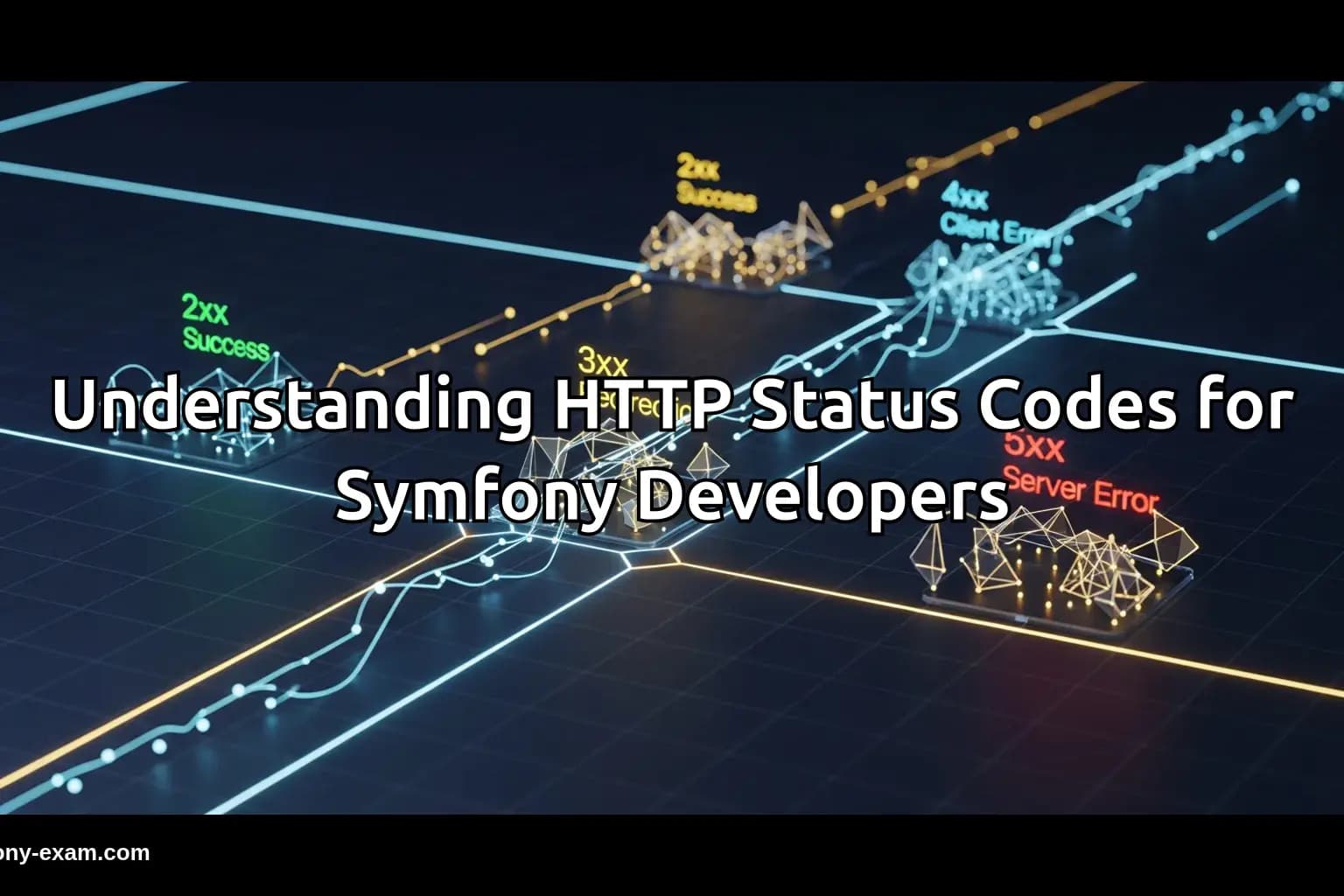
HTTP status codes are three-digit responses sent by the server to indicate the outcome of a client's request. These codes are grouped into five classes, with the 5xx class specifically denoting server errors.
These responses are crucial for clients to understand whether their requests were successful or if an error occurred on the server side.
The 5xx Status Code Category
The 5xx class of status codes indicates that the server failed to fulfill a valid request. Here are the most common 5xx codes relevant for Symfony developers:
500 Internal Server Error: This is a generic error message indicating that the server encountered an unexpected condition. It can be caused by unhandled exceptions in your Symfony application.
502 Bad Gateway: This error occurs when a server acting as a gateway or proxy receives an invalid response from an upstream server. This might happen in Symfony applications that rely on external services.
503 Service Unavailable: This status indicates that the server is currently unable to handle the request due to temporary overloading or maintenance. Symfony applications might return this code during high traffic times.
504 Gateway Timeout: This occurs when a server acting as a gateway does not receive a timely response from an upstream server. This can be critical in Symfony applications with complex service dependencies.
Practical Examples in Symfony Applications
Let’s look at how these status codes can arise in real Symfony scenarios:
Handling 500 Internal Server Error
A common source of a 500 error in Symfony might be an unhandled exception in a controller. For instance:
<?php
public function show($id) {
    $entity = $this->repository->find($id);
    if (!$entity) {
        throw new NotFoundHttpException('Entity not found.');
    }
    return $this->render('entity/show.html.twig', ['entity' => $entity]);
}
?>
If the repository fails to retrieve the entity due to a database issue, the application may throw a 500 error. Proper exception handling can mitigate this.
Handling 503 Service Unavailable
In high-traffic scenarios, you might implement a rate limiter to prevent overwhelming your application. If the limit is reached, return a 503 status code:
<?php
public function index() {
    if ($this->rateLimiter->isExceeded()) {
        throw new HttpException(503, 'Service temporarily unavailable.');
    }
    // Handle request...
}
?>
This approach ensures graceful degradation of service during peak usage times.
Best Practices for Handling Server Errors
Here are some best practices for Symfony developers to effectively manage server errors:
1. Centralized Error Handling: Utilize Symfony's built-in exception handling to manage errors globally. This helps in maintaining clean controller code and ensures consistent error responses.
2. Logging Errors: Implement logging for all exceptions. This allows for tracking issues and debugging effectively. Use the logger service provided by Symfony.
3. User-Friendly Error Pages: Create custom error pages for 5xx errors. This enhances UX by providing users with clear information instead of generic error messages.
Conclusion: Importance for Symfony Certification
Understanding which HTTP status codes indicate server errors is crucial for Symfony developers, especially when preparing for certification. A solid grasp of these concepts not only aids in debugging but also enhances the overall robustness of your applications.
As you prepare for the Symfony certification, remember the importance of handling these errors gracefully and providing meaningful feedback to users and developers alike. Familiarize yourself with the Symfony documentation on error handling for more insights.
Additional Resources
For further reading and to enhance your understanding, consider exploring these related topics:
PHP Type System
Advanced Twig Templating
Doctrine QueryBuilder Guide
Symfony Security Best Practices
Symfony Debugging Tips
Symfony Best Practices