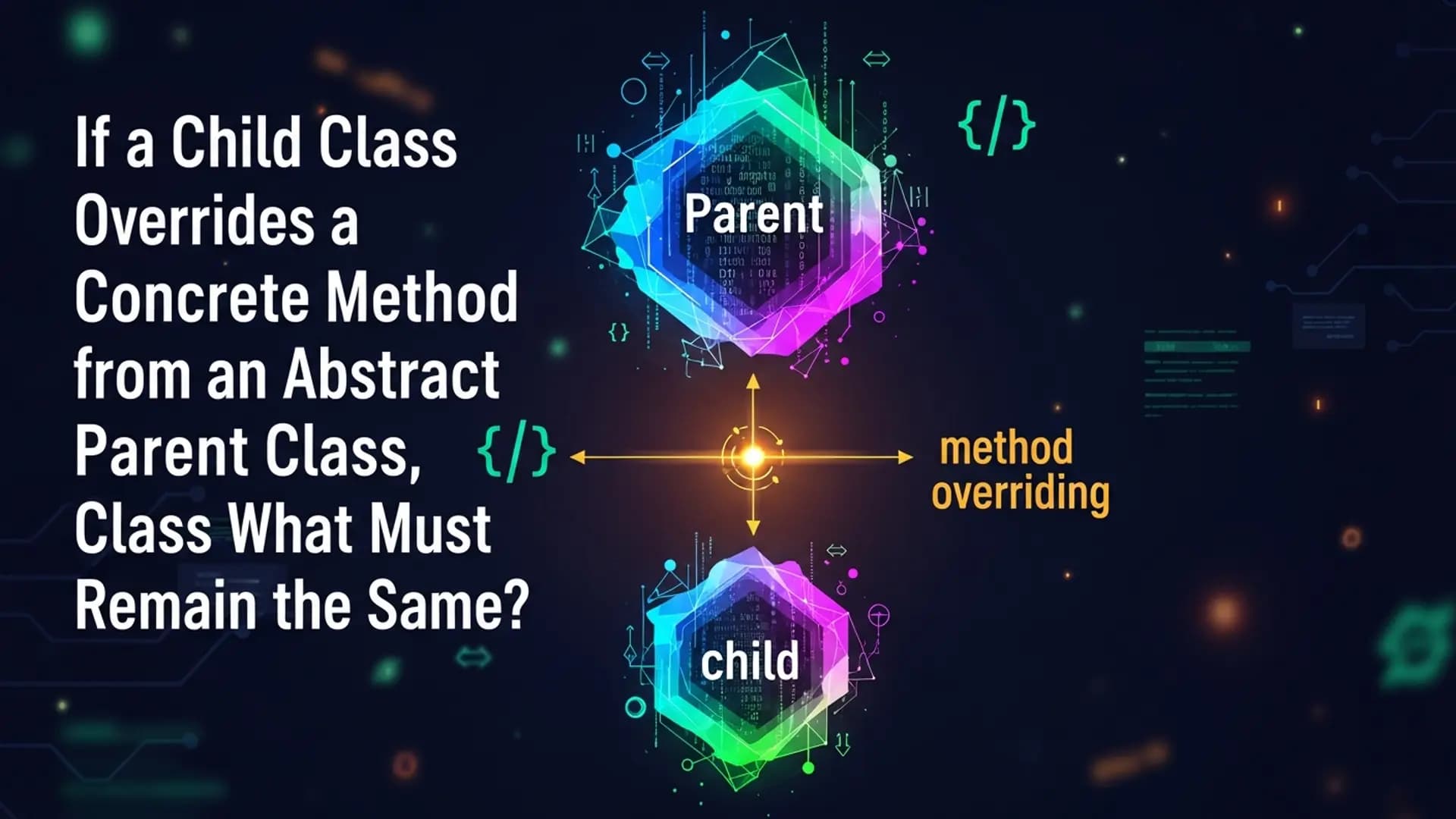
As a Symfony developer aiming for certification, understanding class inheritance is vital for building robust and scalable applications. In this guide, we will delve into the intricacies of class inheritance in Symfony, exploring its significance, practical applications, and common pitfalls to avoid.
What is Class Inheritance in Symfony?
Class inheritance allows a class to inherit properties and methods from another class, promoting code reuse and maintaining a hierarchical structure. In Symfony, this enables developers to create specialized classes that extend the functionality of existing ones.
By leveraging class inheritance, Symfony developers can streamline development, enhance code organization, and facilitate the implementation of complex business logic.
The Extends Keyword in Symfony
In Symfony, the extends keyword is used to establish a relationship between a child class and a parent class. By specifying extends followed by the parent class name, developers can inherit the properties and methods defined in the parent class.
<?php
class ParentClass {
    // Parent class definition
}

class ChildClass extends ParentClass {
    // Child class inherits from ParentClass
}
?>
Practical Example in Symfony
Consider a scenario where you have a base controller class in Symfony that contains common functionality shared across multiple controllers. By creating specialized controllers that extend the base controller, you can add unique features while leveraging the shared functionality.
<?php
class BaseController extends AbstractController {
    // Shared functionality for all controllers
}

class ProductController extends BaseController {
    // Additional features specific to product management
}

class OrderController extends BaseController {
    // Additional features specific to order processing
}
?>
Common Pitfalls and Best Practices
When working with class inheritance in Symfony, developers should be mindful of potential pitfalls to ensure efficient and maintainable code. Here are some best practices to follow:
Best Practice 1: Encourage a clear hierarchy of classes to promote code readability and maintainability.
Best Practice 2: Avoid deep inheritance hierarchies to prevent complexity and potential conflicts.
Best Practice 3: Utilize abstract classes and interfaces to define common behavior and enforce consistency.
Conclusion: Mastering Class Inheritance for Symfony Success
A solid understanding of class inheritance in Symfony is pivotal for developers preparing for the certification exam. By grasping the principles of inheritance, you can optimize code reuse, enhance maintainability, and elevate your Symfony development skills.